
Category- First Aid
Reading Time- 8 -10 Mins
Difficulty-Begginer
Last Updated-08/07/2026
QUICK NAVIGATION
What are Soft Tissue Injuries?
Types of Injuries
Signs & Symptoms
First Aid Treatment
Infection Prevention
Complications & When to Seek Help
Dos, Don'ts & Pro Tips
FAQs
What are Soft Tissue Injuries?
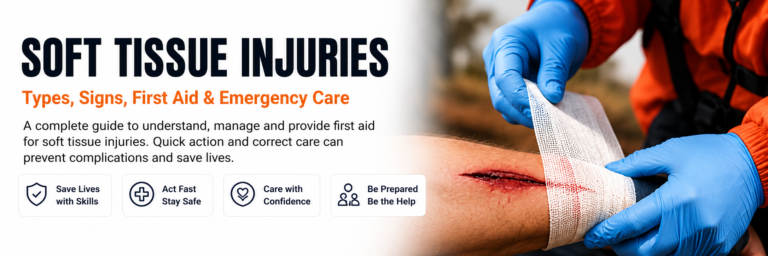
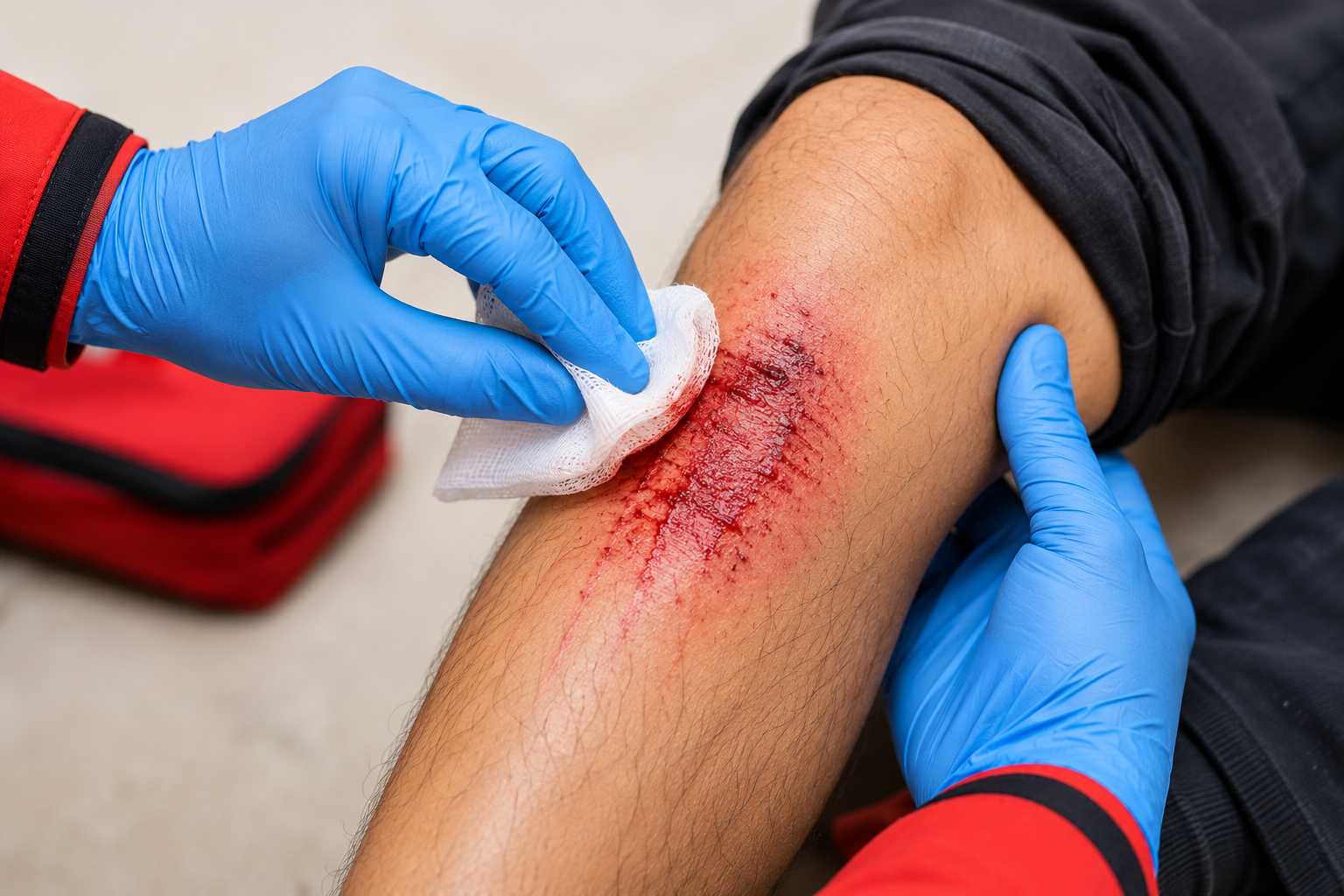
Soft tissue injuries are commonly referred as wounds, that involves damage to the skin, muscles, tendons, ligaments and blood vessels.
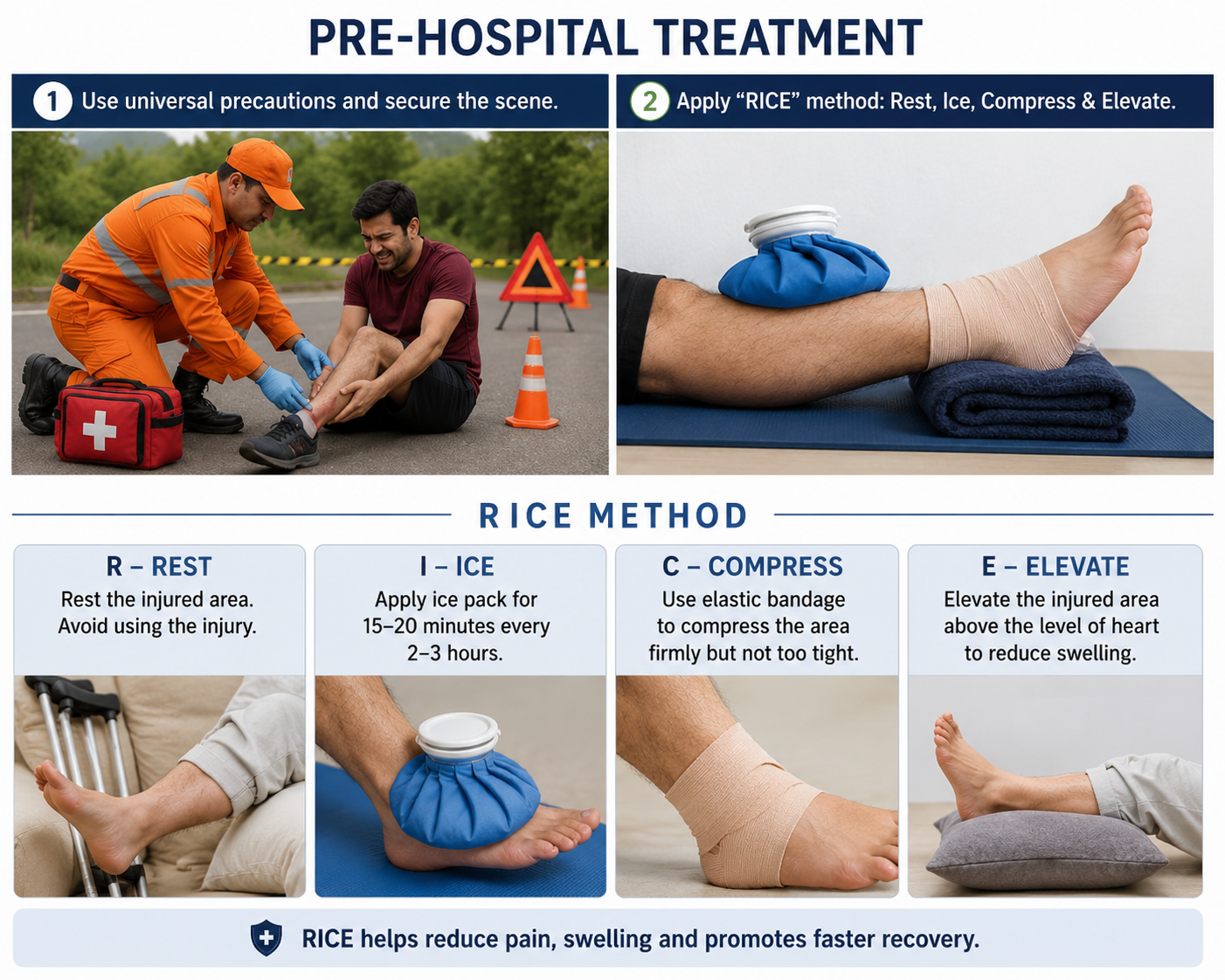
Closed Wounds
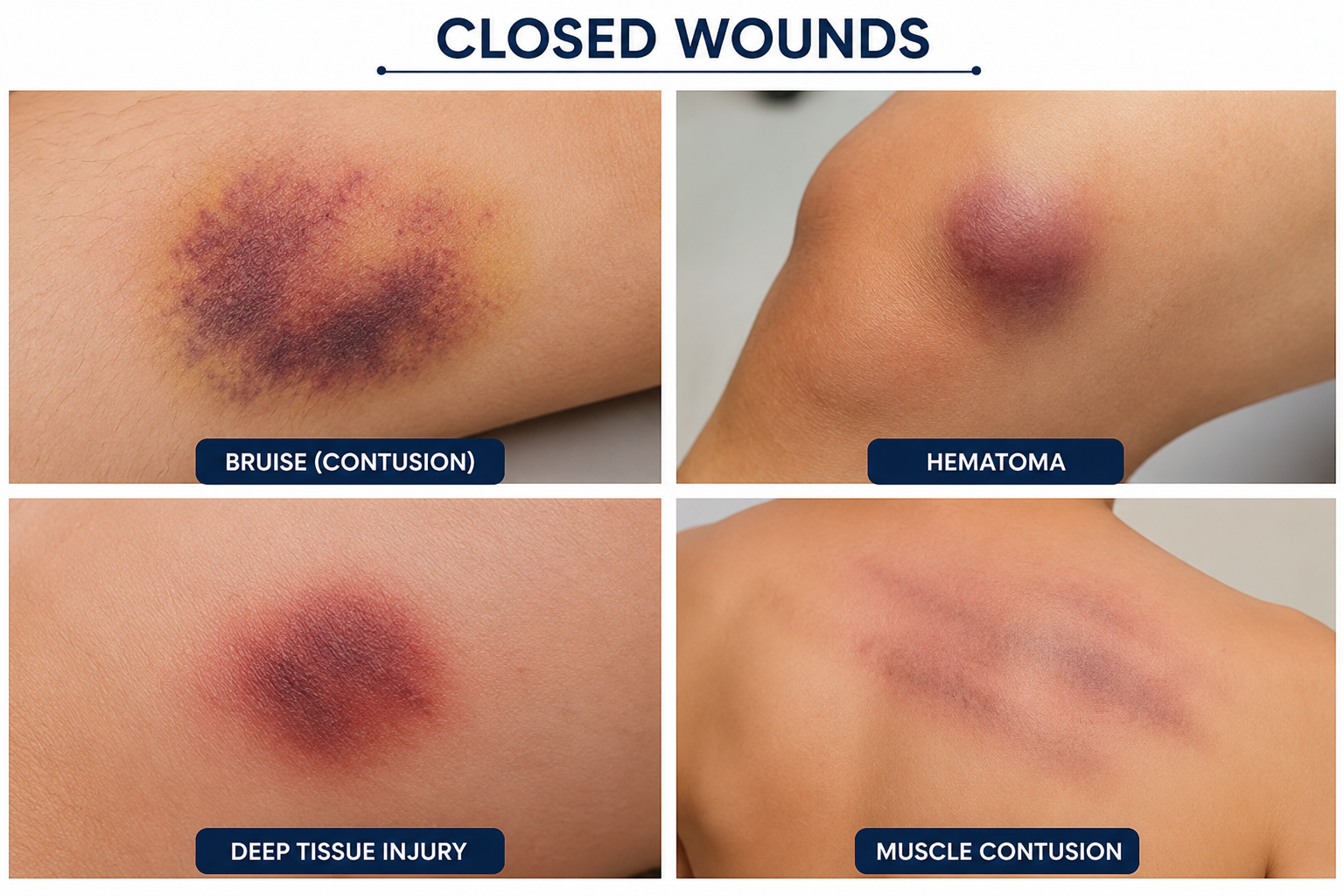
Injury to the soft tissues beneath unbroken skin. Closed wounds can involve superficial damage to the skin or can be severe with damage to internal organs. Closed wounds are generally caused by impact with a blunt object.
Signs & Symptoms of Closed wounds–
- Swelling
- Tenderness
- Discoloration
- Possible deformity
Open Wounds
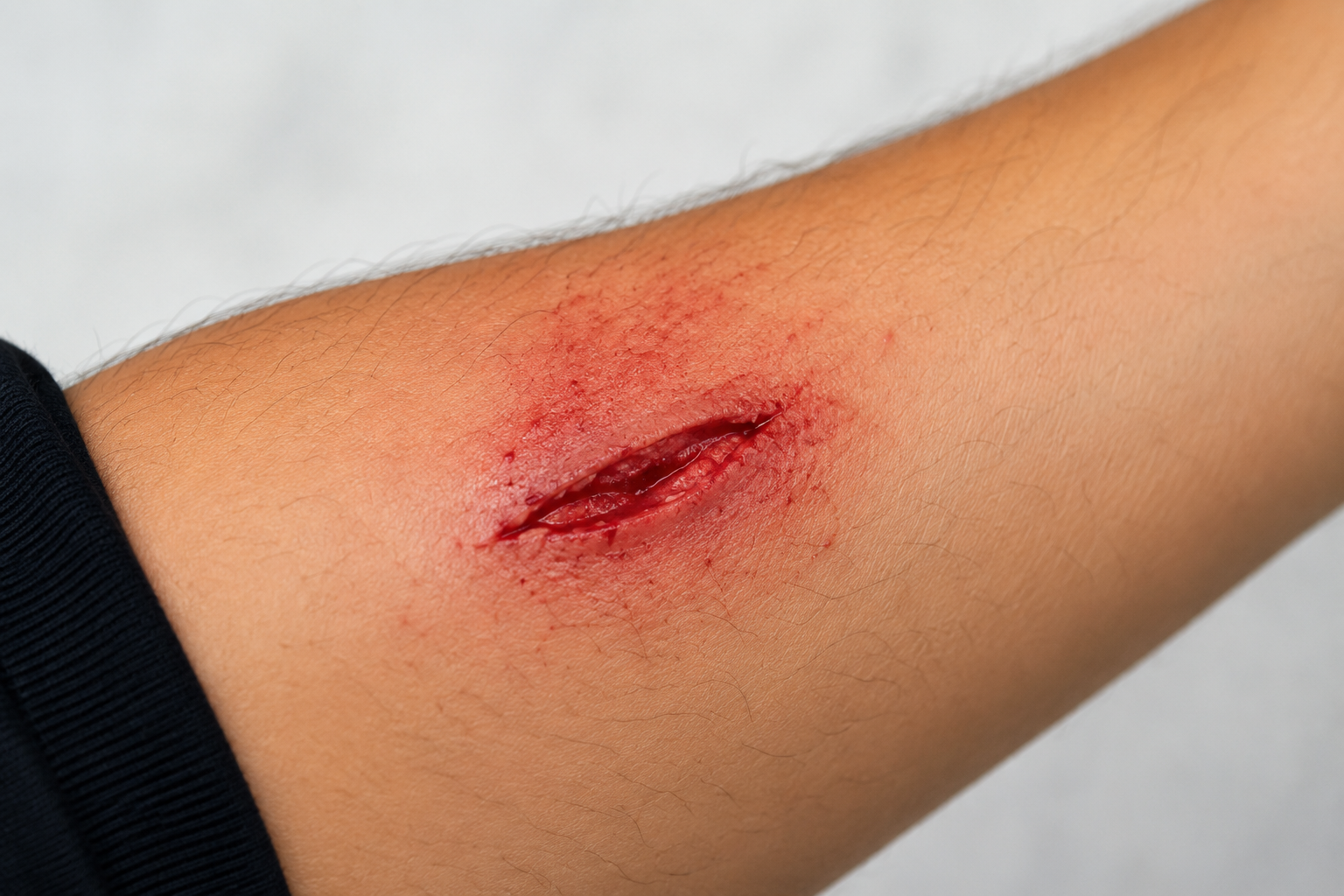
A soft tissue injury resulting in breaking of the skin.
Signs & Symptoms of Open wounds–
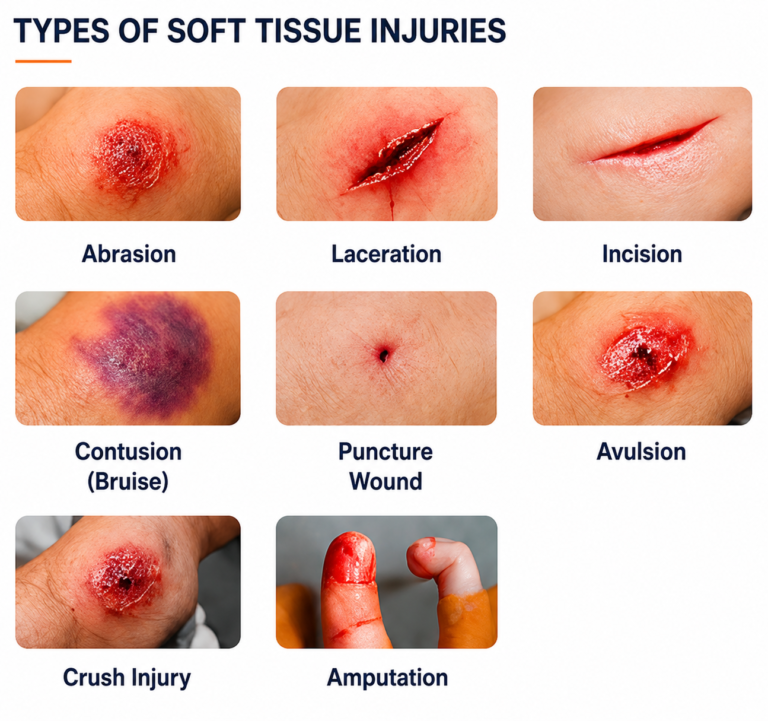
- Scratches and abrasions
- Lacerations – regular and irregular
- Penetration and puncture wounds
- Avulsions
- Amputations
- Crushing injury (may be open or closed)
- Gunshot wounds
- Impaled object
Bleeding Control
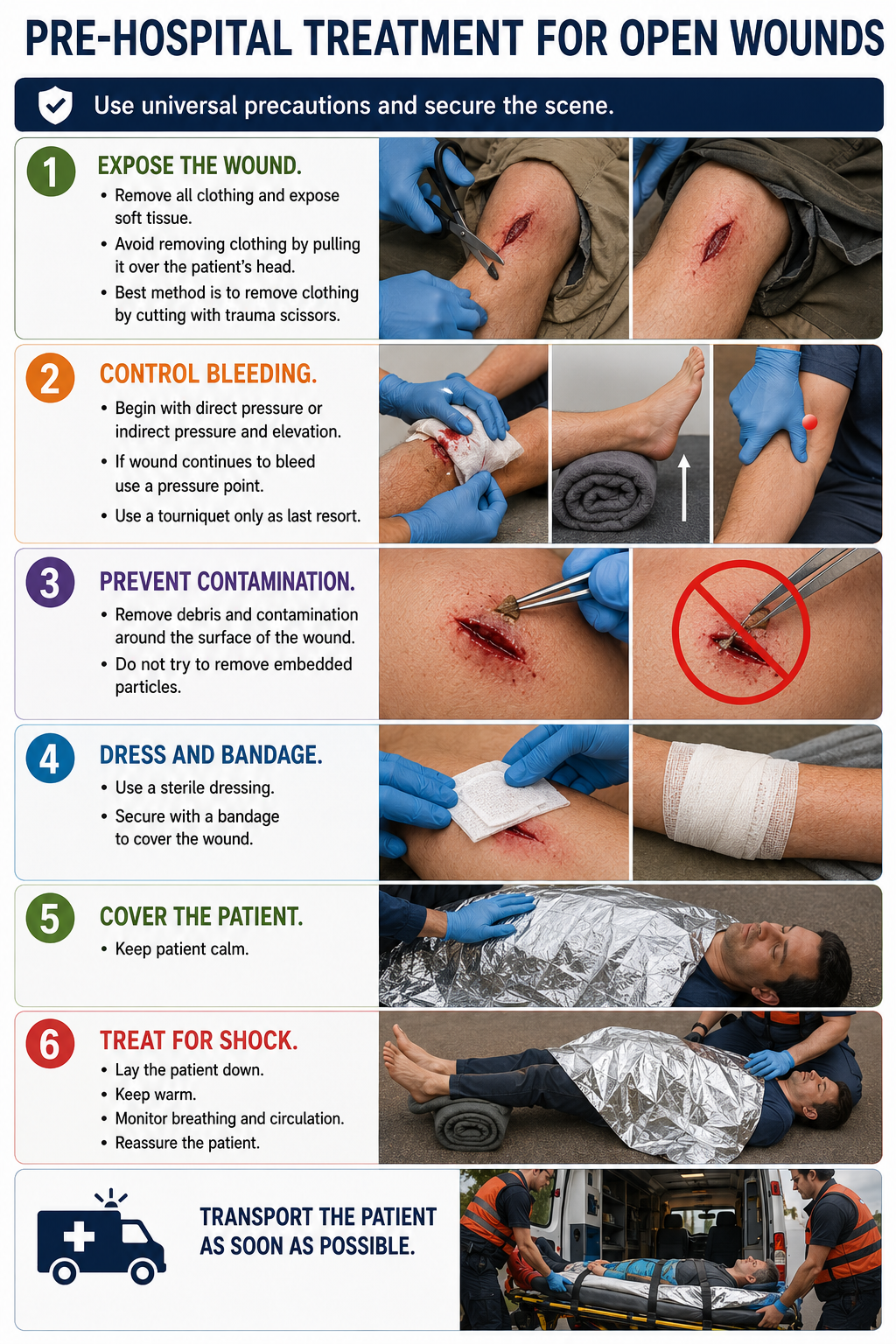
- Direct Pressure
- Elevate the limb
- Press the Pressure Point
- Torniquet (When needed
Infection Prevention
- Hand Hygiene
- Clean dressing
- Avoid Contamination
- Tetanus Prevention
- Seek Medical Follow-up
When to Seek Emergency Care
- Severe or Uncontrolled bleeding
- Deep or large wound
- Bone exposed
- Amputation
- Signs of shock or infection
Possible Complication
- Infection
- Excessive blood loss
- Nerve damage
- Poor
- Fracture First Aid
DO's
- Wear gloves
- Apply firm pressure
- Keep wound clean
- Use sterile dressing or clean cloth
- Monitor for shock
- Call for help, if severe
Don'ts
- Don't touch wound unnecessarily
- Don't remove embedded objects
- Don't remove soaked dressings
- Don't ignore signs of shock
- Don't apply home remedies
- Don't delay medical care
Pro Tips
- Treat severe bleeding first
- Expose wounds carefully
- Record torniquet time
- Prevent body heat loss
- Reassure the casualty
- Monitor until health arrives
Related Articles
- Bleeding Control
- CPR
- Fracture & Splinting
- Choking Response
- Burns & Scalds
- PPE for First Responders
Frequently Asked Questions
What is a soft tissue injury?
A soft tissue injury is damage to the body’s skin, muscles, tendons, ligaments, or connective tissues caused by trauma, overuse, or accidents. These injuries may be open (where the skin is broken) or closed (where the skin remains intact) and can range from minor bruises to severe wounds requiring emergency medical care.
What are the common types of soft tissue injuries?
Common soft tissue injuries include abrasions, lacerations, incisions, contusions (bruises), puncture wounds, avulsions, crush injuries, sprains, strains and amputations.
What is the first aid treatment for a soft tissue injury?
The first aid treatment depends on the type of injury. For closed injuries, use the RICE method (Rest, Ice, Compression, and Elevation) to reduce pain and swelling. For open wounds, control bleeding with direct pressure, clean the wound if appropriate, apply a sterile dressing, monitor for signs of shock, and seek medical care when necessary.
When should I seek emergency medical help for a soft tissue injury?
Seek immediate medical attention if the bleeding cannot be controlled, the wound is deep, bone or muscle is visible, an object is embedded in the wound, there is a partial or complete amputation, signs of shock develop, or the injury results from a serious accident. Prompt treatment can help prevent severe blood loss, infection and other complications.
Can soft tissue injuries become infected?
Yes. Open wounds can become infected if they are not cleaned and dressed properly. Signs of infection include increasing redness, swelling, warmth, pus, foul-smelling discharge, fever and worsening pain. Proper wound care and timely medical evaluation help reduce the risk of infection.
How can soft tissue injuries be prevented?
Many soft tissue injuries can be prevented by wearing appropriate protective equipment, following workplace and sports safety guidelines, using tools correctly, maintaining safe surroundings, and practicing good first aid awareness. Early recognition of hazards and safe behavior significantly reduce the risk of injury.
PILLAR PAGE- SOFT TISSUE INJURIES
This is your complete guise to soft tissue injuries. Use the link to explore each injury type in details. Learn, be prepared and make a difference in any emergency.

Disclaimer
This content is for educational purposes only and does not replace professional medical training or advice. In real emergencies, always follow guidelines of qualified medical professionals.